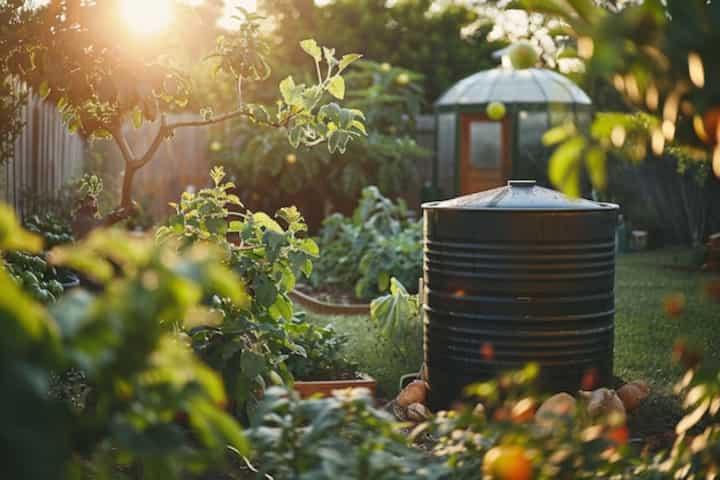
Efficient Rain Barrel Installation How to Attach to Your Gutter
Harvesting rainwater is an excellent way to conserve water and reduce utility bills. One of the simplest and most effective methods to achieve this is by installing a rain barrel. Attaching a rain barrel to your gutter system can seem daunting, but with the right guidance and tools, you can efficiently set it up. This article will provide a comprehensive guide to installing a rain barrel in connection with your gutter system, ensuring you maximize your water conservation efforts.
Understanding Rain Barrel Systems
Rain barrel systems are designed to capture and store rainwater runoff from your roof. This stored water can then be used for gardening, lawn irrigation, and other non-potable water needs.
Components of a Rain Barrel System
- Barrel: Usually made of plastic, wood, or metal, the barrel collects the rainwater.
- Inlet Screen: Prevents debris, leaves, and insects from entering the barrel.
- Overflow Valve: Allows excess water to escape when the barrel is full.
- Spigot: Provides access to the collected water.
- Downspout Diverter: Connects the gutter downspout to the rain barrel.
Steps to Attach a Rain Barrel to Your Gutter
Installing a rain barrel involves a few straightforward steps. Follow these instructions for a successful installation:
1. Selecting the Location
- Choose an area near a downspout on your gutter system.
- Ensure the ground is level and stable to support the weight of a full barrel.
- Avoid areas that might be susceptible to flooding or erosion.
2. Preparing the Downspout
- Cut the downspout approximately 6 inches above the top of the barrel.
- Attach a downspout diverter. This device will redirect water from the gutter into the barrel.
- Explore further insights here about preparing your downspout effectively.
3. Setting Up the Rain Barrel
- Place the rain barrel under the diverter.
- Ensure the inlet screen is securely fitted to prevent debris from contaminating the water.
- Connect the overflow valve to a hose directed away from the foundation of your home.
- Install the spigot near the bottom of the barrel for easy access to the water.
- Learn more in this detailed guide about setting up your rain barrel.
4. Maintaining Your Rain Barrel System
- Regularly check the inlet screen and overflow valve for blockages.
- Clean the barrel at least once a year to prevent algae growth and odors.
- During winter, disconnect the system to prevent freezing and damage.
- Read more about this topic on maintaining your rain barrel system.
Benefits of Rain Barrel Installation
Installing a rain barrel offers numerous advantages:
- Reduces water bills by providing a free source of water for outdoor use.
- Decreases stormwater runoff, minimizing soil erosion and water pollution.
- Supports sustainable gardening practices.
- Helps in managing water resources efficiently.
Check out customer reviews here for feedback on the effectiveness of rain barrel installations.
Conclusion
By following these steps, attaching a rain barrel to your gutter system can be a simple and rewarding project. It not only aids in water conservation but also contributes to environmental sustainability. For those interested in a more detailed understanding of rain barrel installation, find additional information here.